Section outline

    • This story explores the solar potential of the Solares Direktgewinnhaus, a building designed without active heating or cooling. Its architecture maximizes solar energy use for indoor comfort while analyzing how roof orientation, size, and design influence electricity production and costs.

      Case Study: Solares Direktgewinnhaus


    •   author Arianna Lurati 15.09.2025  

    • Photo: N11 Architekten / Sascha Schär

    • How much electricity can my roof produce?

      Tool: Sonnendach

      Before considering any hardware or installation, it is essential to assess if the roof is suitable for solar energy production. The Sonnendach tool offers a straightforward way to do this.

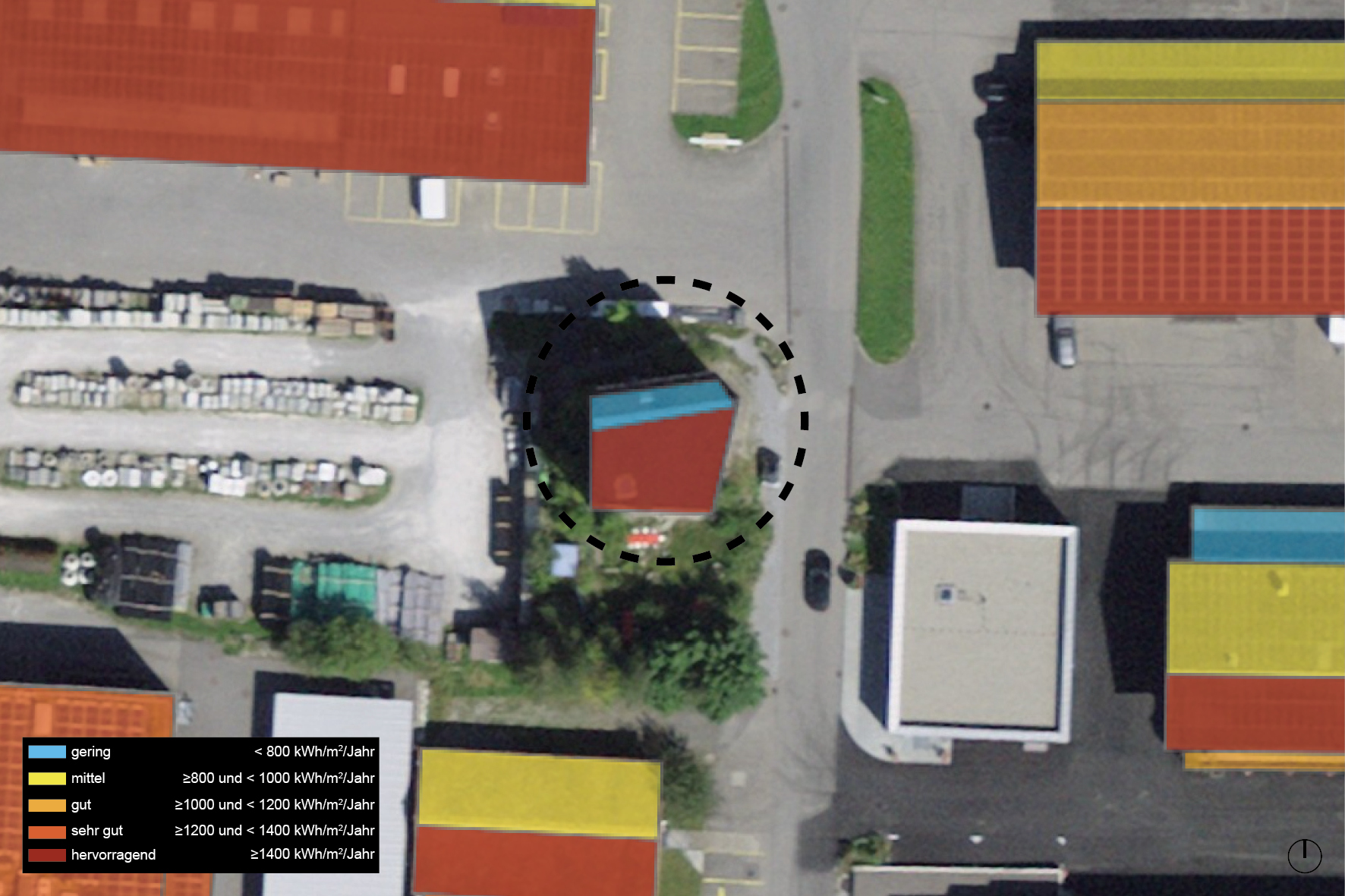
      By entering the building’s address, Gewerbestrasse 4 in Zweisimmen, the platform generates a color-coded map that evaluates every part of the roof’s solar potential.

      In this case, the south-facing roof section, oriented at 171° with a 23° tilt, is marked in dark red, indicating excellent suitability. In contrast, the north-facing roof section, with a 38° tilt and marked in light blue, is rated as low suitability.

      What makes the Solares Direktgewinnhaus truly remarkable is its use of solar panels on both the highly suitable south-facing roof and the less favorable north-facing roof. This choice goes beyond efficiency. By maximizing solar input across all available surfaces, the building achieves greater self-sufficiency while making a strong architectural statement.

    • The map shows the solar potential of the two roof slopes. Source: Sonnendach

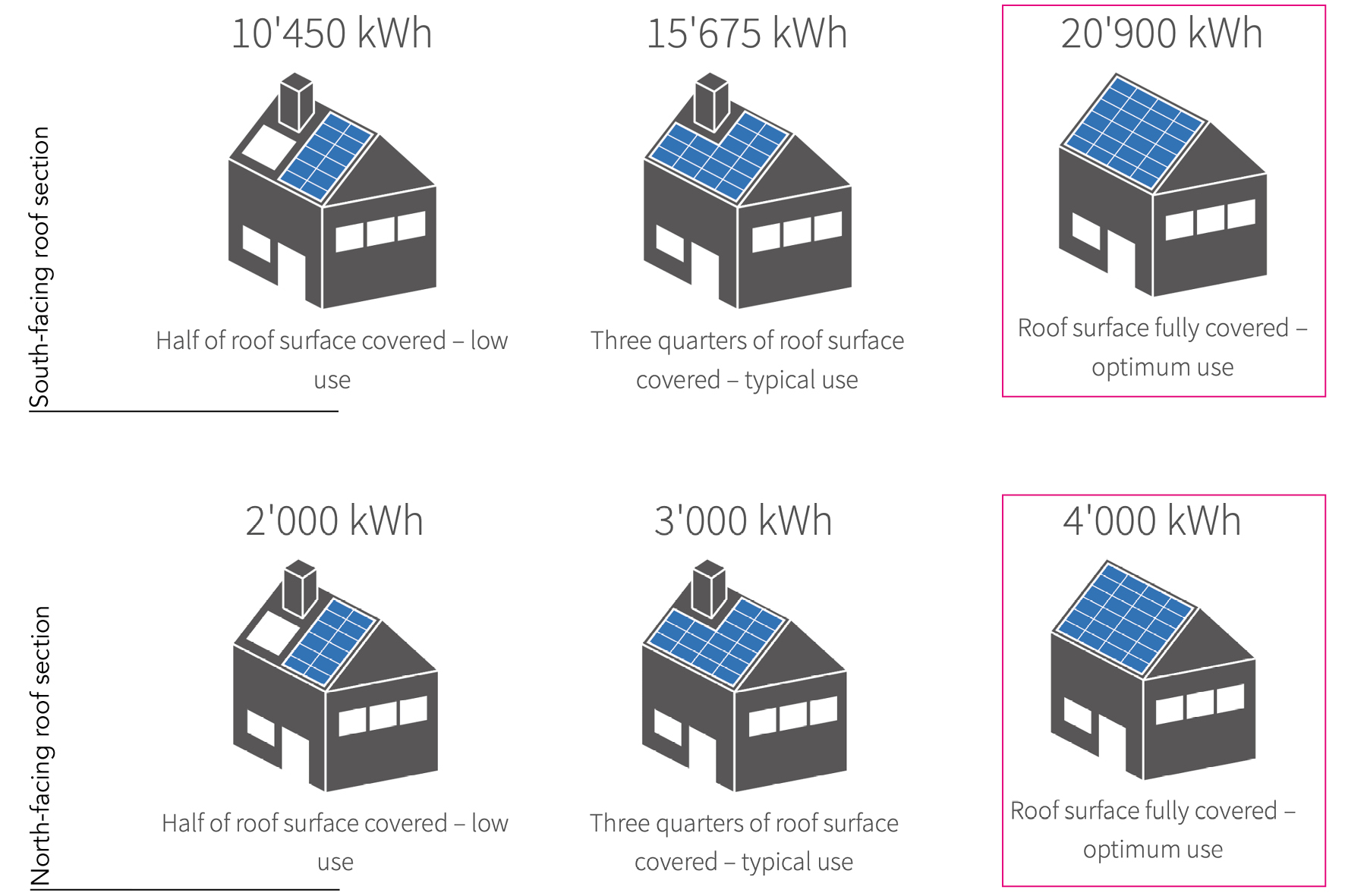
    • The platform also provides a detailed analysis of each roof section, presenting three installation scenarios based on how much of the surface can be covered with photovoltaic modules.

      Since there are no chimneys or other obstacles on the south-facing section of the Solares Direktgewinnhaus, solar panels can cover the full 87 m². This setup could generate up to 20 900 kWh per year, nearly six times the average annual electricity consumption of a four-person household, which is around 3 500 kWh. The north-facing roof section will likewise be fully equipped with solar panels. Despite its less favourable orientation, the 36 m² area is still expected to produce approximately 4 000 kWh per year.

      Combined, these surfaces transform the roof into a powerful energy source, producing roughly 25 000 kWh annually.

    •  

    • Three different scenarios for the installation of solar panels on each roof slope. Source: Sonnendach

    • What will the system cost, and how long will it take to pay back?

      Tool: Solarrechner energieschweiz

      Once the potential energy production is clear, the next question is: how much will it cost, and how long will it take for the solar system to pay for itself?

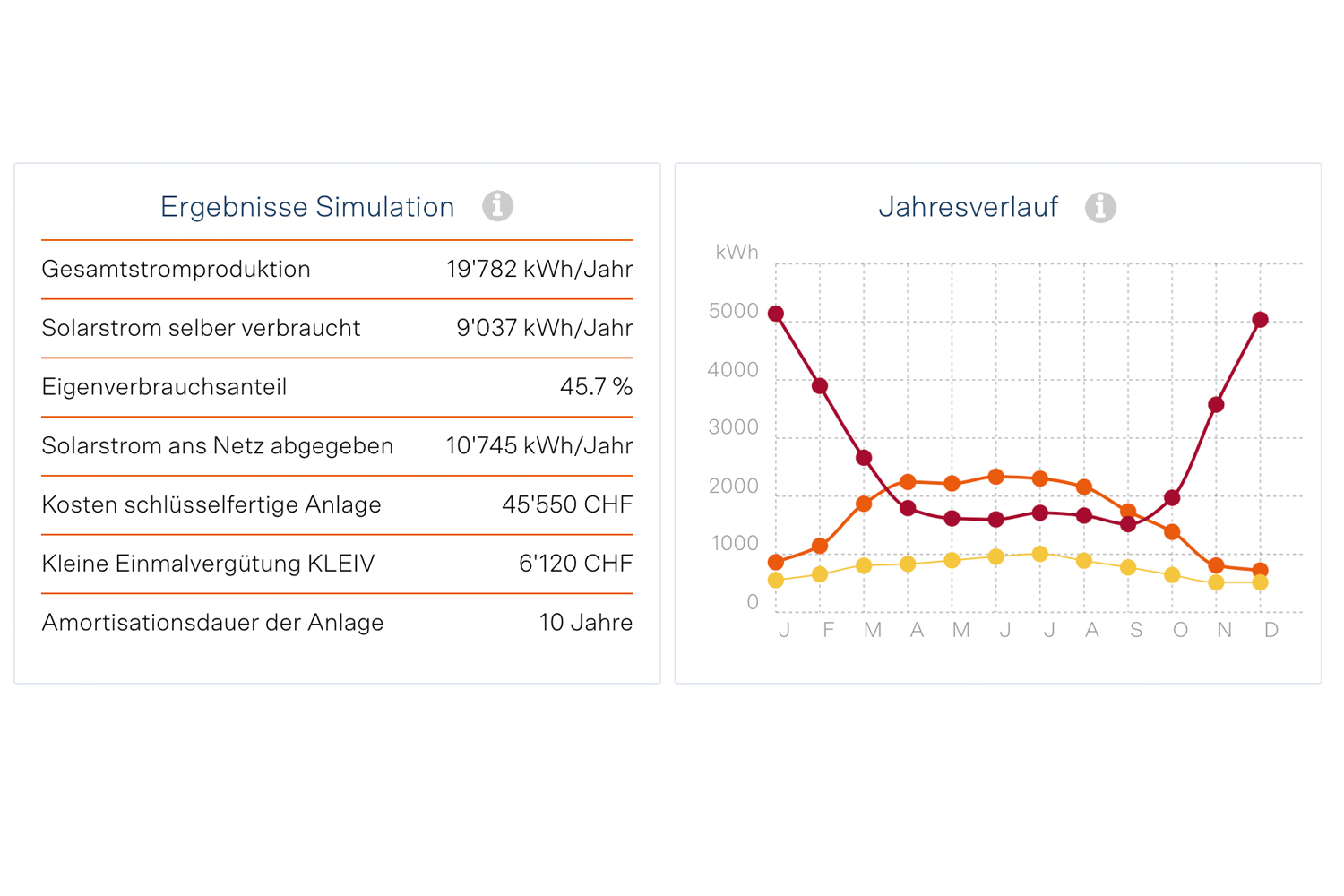
      The Solarrechner tool from EnergieSchweiz, helps answer this. By entering key parameters such as roof area and expected energy production, the tool estimates installation costs, savings on electricity bills, and the approximate payback period.

      For the Solares Direktgewinnhaus, the system’s upfront investment is balanced by its high energy output. The payback period is estimated to be around 10 years, depending on factors like feed in tariffs and how much electricity the household consumes directly. After this period, the generated energy is essentially free.

    •  

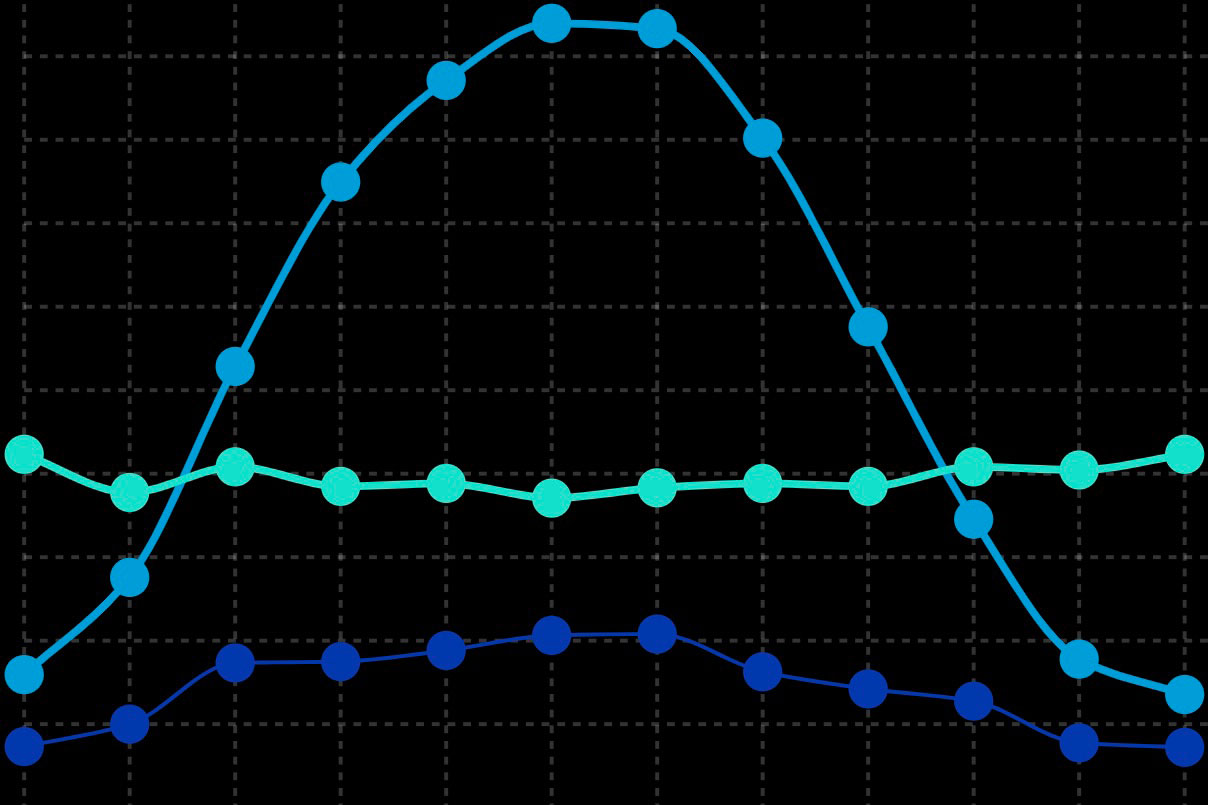
    • Summary table and chart of the energy production of the system and its cost. Source: Solarrechner energieschweiz

    • How are these solar panels integrated into the architecture?

      Tool: Solarchitecture

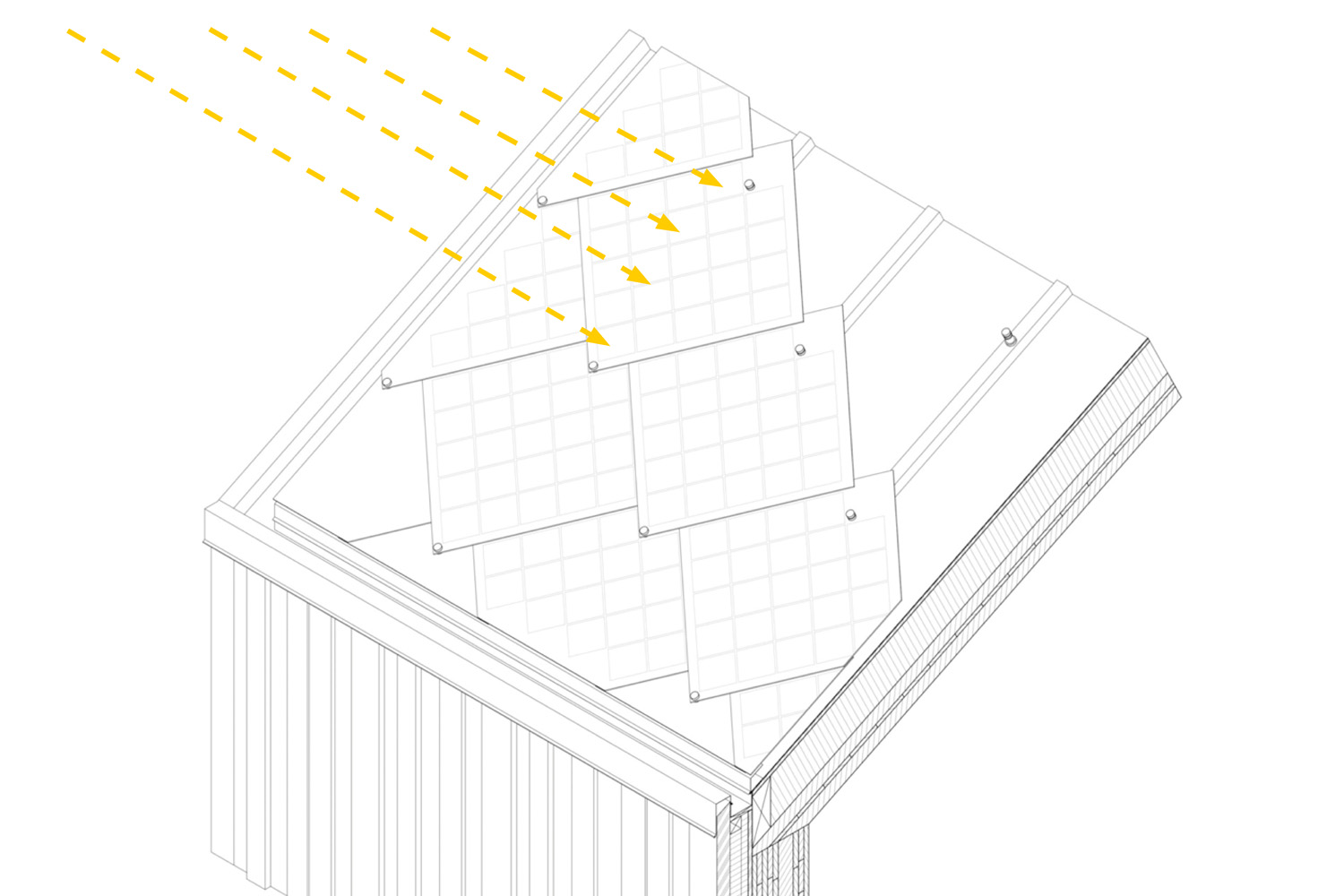
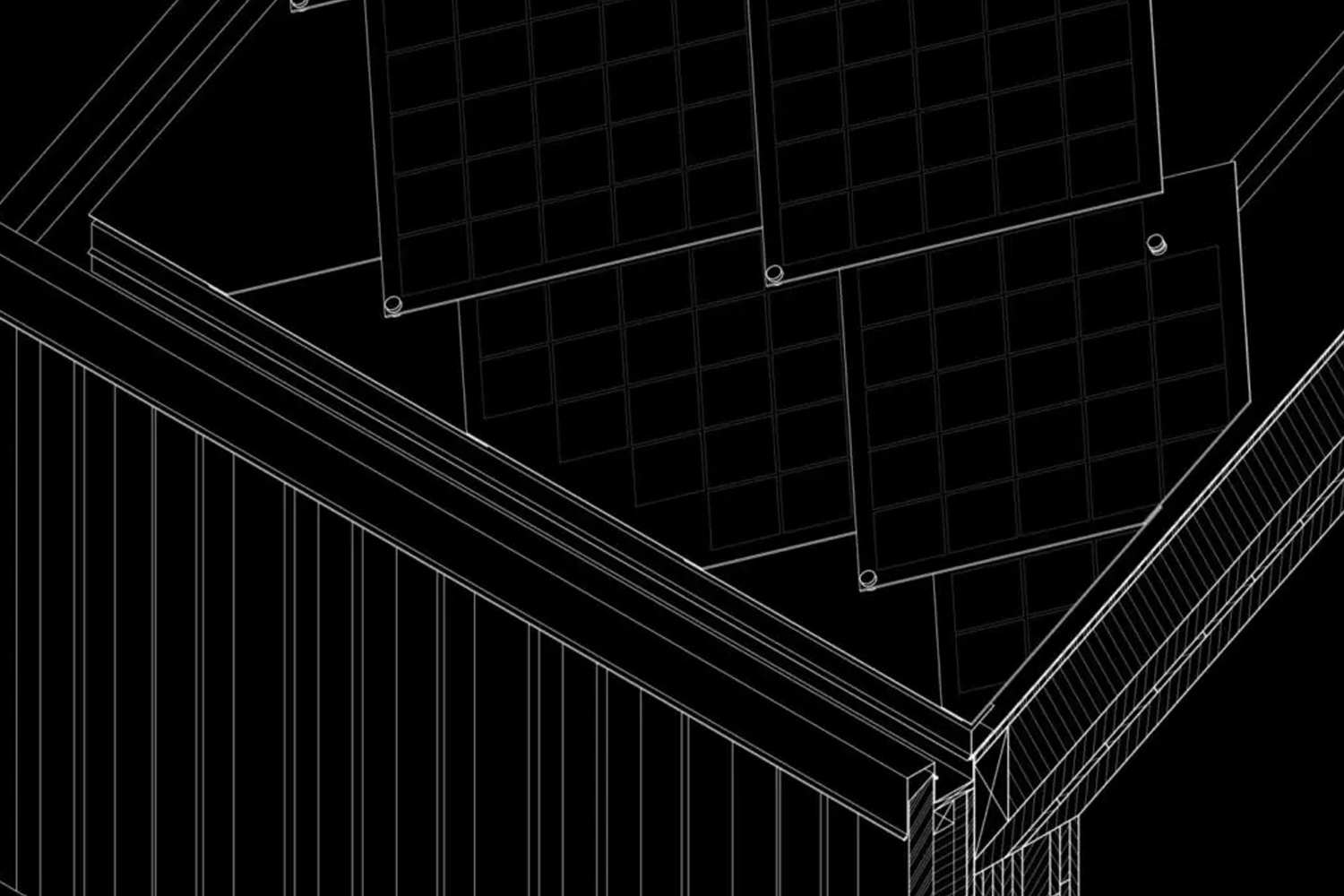
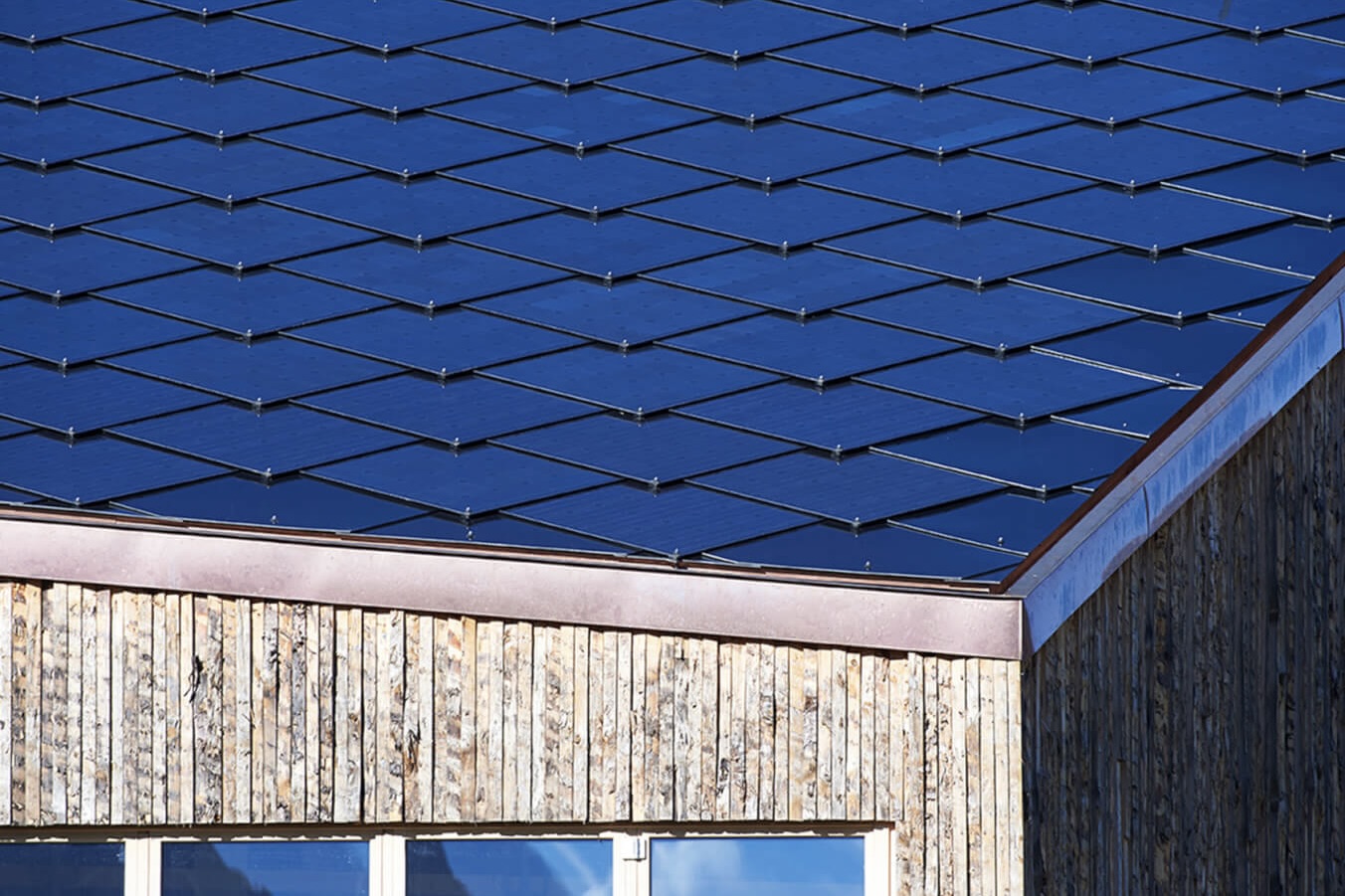
      Solar energy is not only about efficiency and numbers; it also plays a crucial role in shaping how buildings look and feel. The Solares Direktgewinnhaus demonstrates how building-integrated photovoltaics can merge function and form. Instead of installing traditional panels atop the roof, this building uses Sunstyle solar shingles that overlap like roof tiles, creating a continuous, textured surface. Each panel is anchored at two points, allowing them to fit perfectly onto the roof’s irregular shape without sacrificing performance.

      This clever design produces a homogeneous roofscape that harmonizes with the building’s aesthetic and architectural language. This approach encourages us to rethink the roof as a multifunctional element, one that protects, generates energy, and defines the building’s character all at once.

      More details about the photovoltaic modules can be found on the solararchitecture platform, which highlights inspiring examples of building-integrated photovoltaics and promotes the aesthetic and sustainable potential of solar architecture.

    • Details of BIPV "Sunstyle Solar Roof" panels. Source: Solarchitecture

    • Can the system be optimized further for even better performance?

      Tool: PVGIS

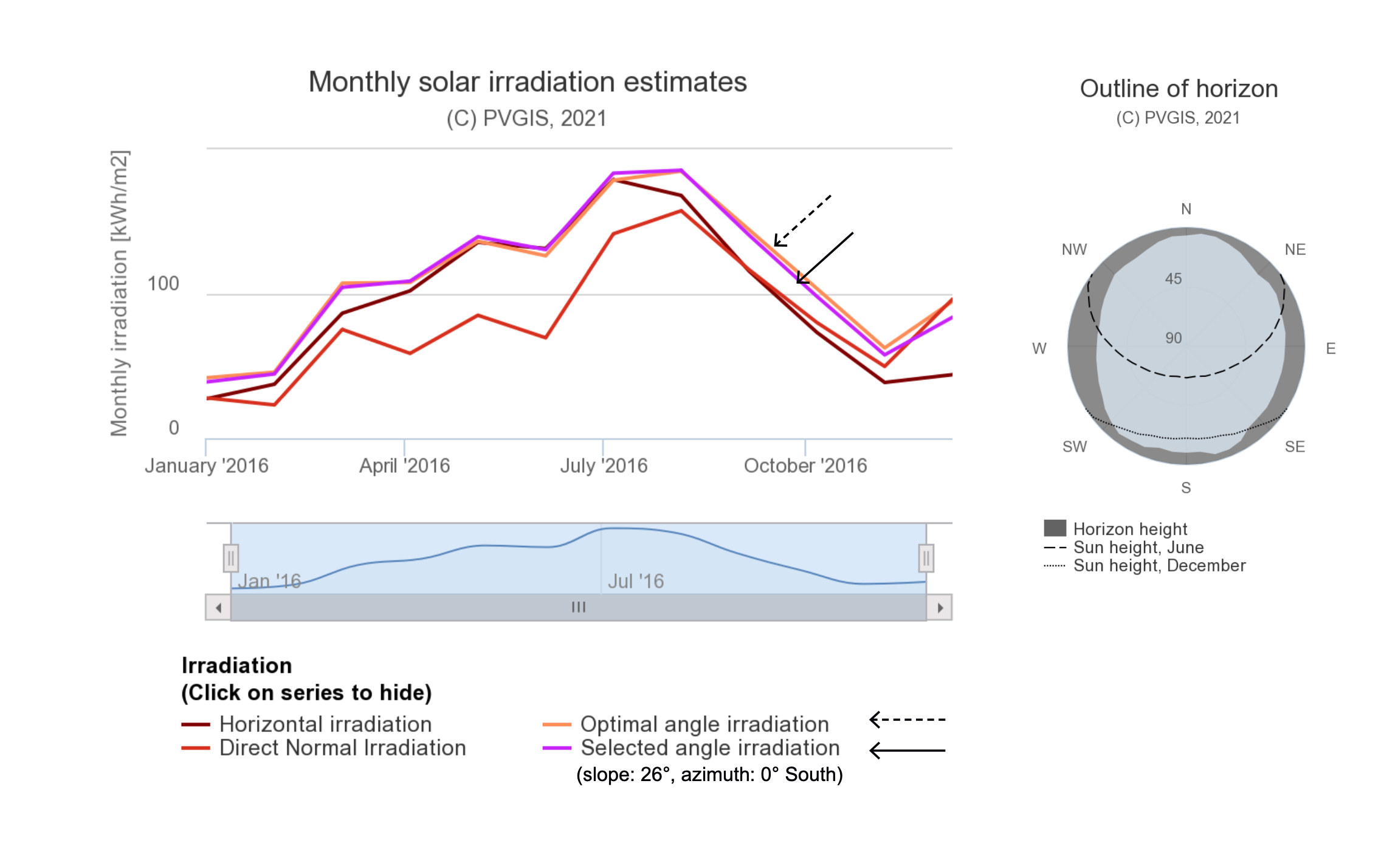
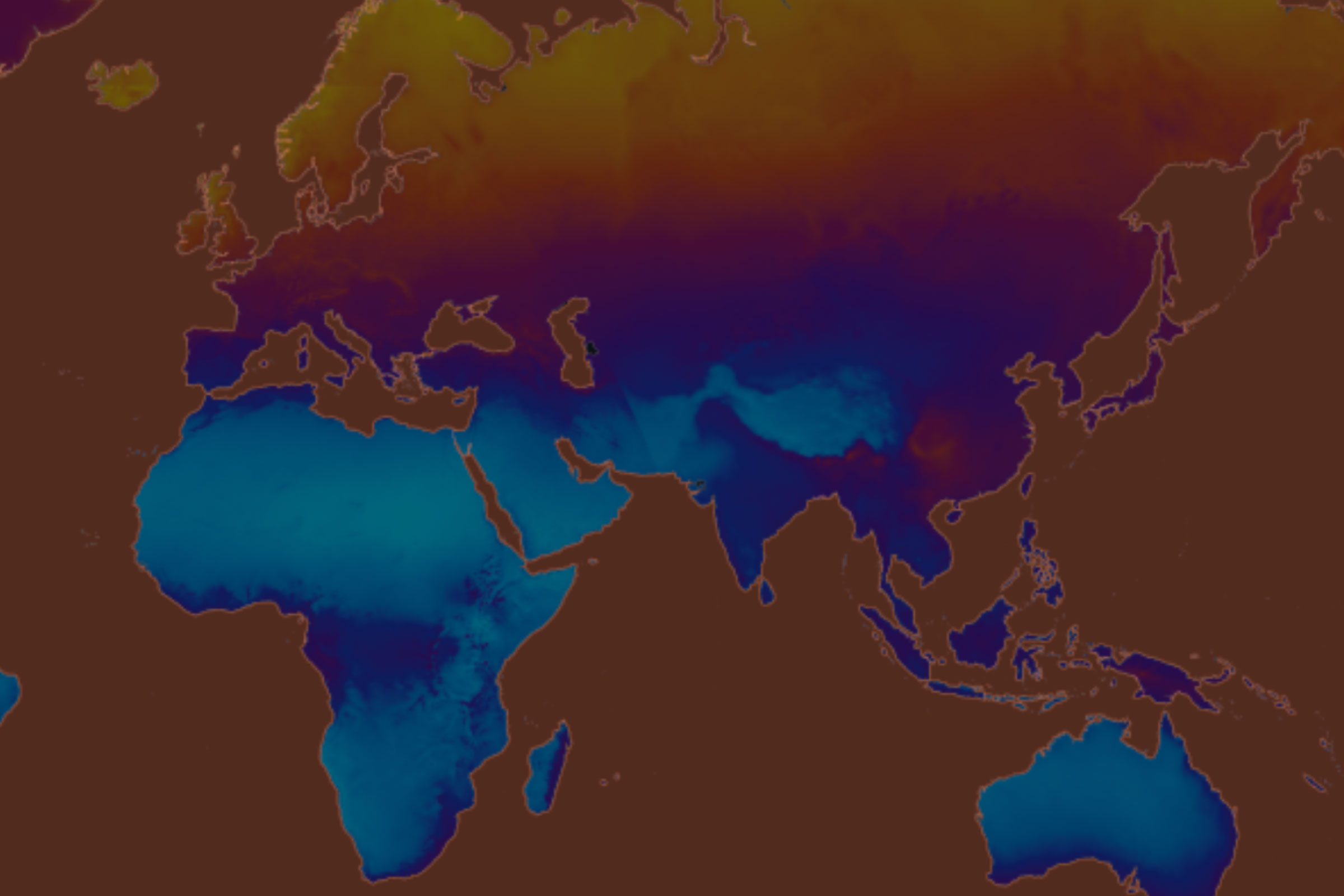
      Even though initial tools like Sonnendach and Solarrechner provide valuable insights, a more detailed understanding of solar energy production throughout the year is often desired. This is especially true when dealing with complex roof shapes or when exploring different panel orientations. The PVGIS tool fills this role perfectly by simulating photovoltaic systems based on location, tilt, and orientation.

      Using PVGIS to model the solar energy potential at the Zweisimmen site reveals a clear seasonal rhythm. Energy generation reaches its highest levels in summer, when days are longer and sunlight is more intense. In contrast, output dips noticeably in winter, especially during the darkest months, when solar input is naturally limited. This variation plays an important role in shaping the building’s energy concept. While the south-facing roof supports steady energy production throughout the year, the reduced output in winter suggests that additional strategies such as thermal storage or auxiliary heating may be needed to maintain comfort and energy independence. PVGIS also makes it easy to explore different scenarios by adjusting angles and orientations, supporting a more responsive and informed design process.


    • Illustration of a simulation estimating monthly solar irradiation. Source: PVGIS

    • What about the bigger picture? Can this energy benefit more than just a single building?

      Tool: GIS Browser - Cantons CollectionSonnendach

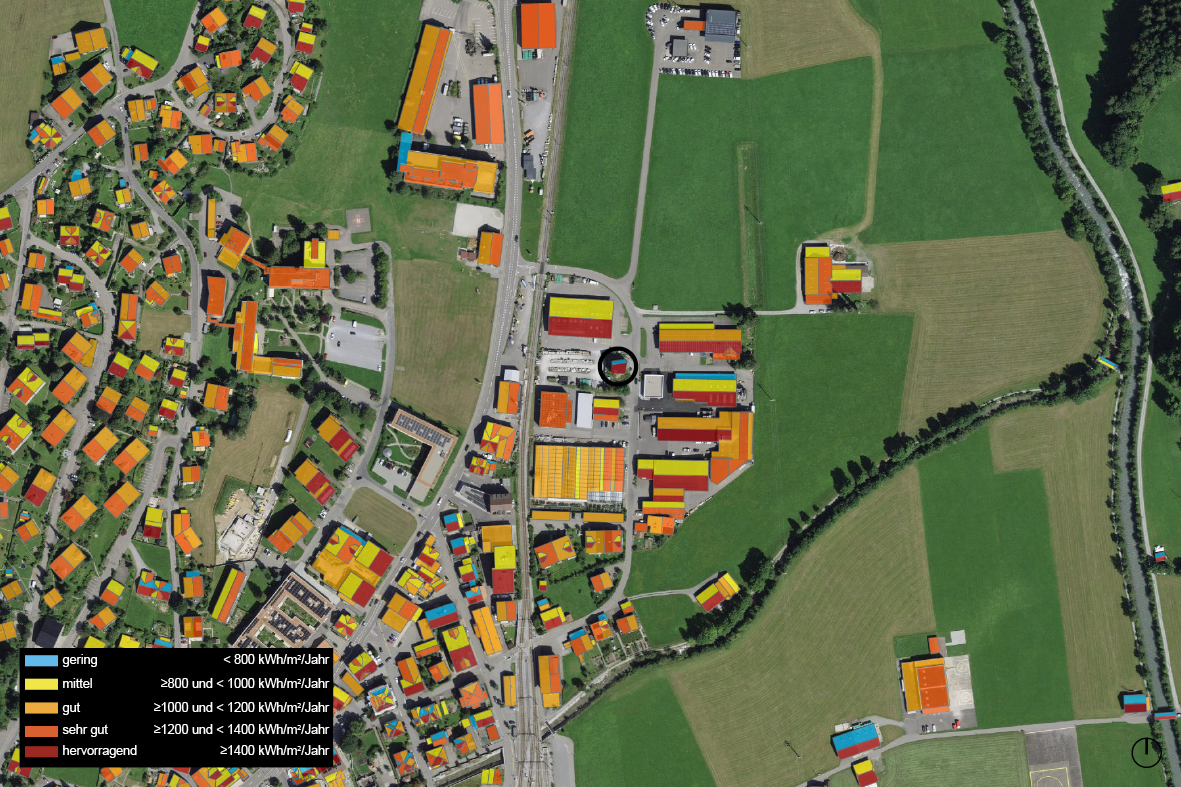
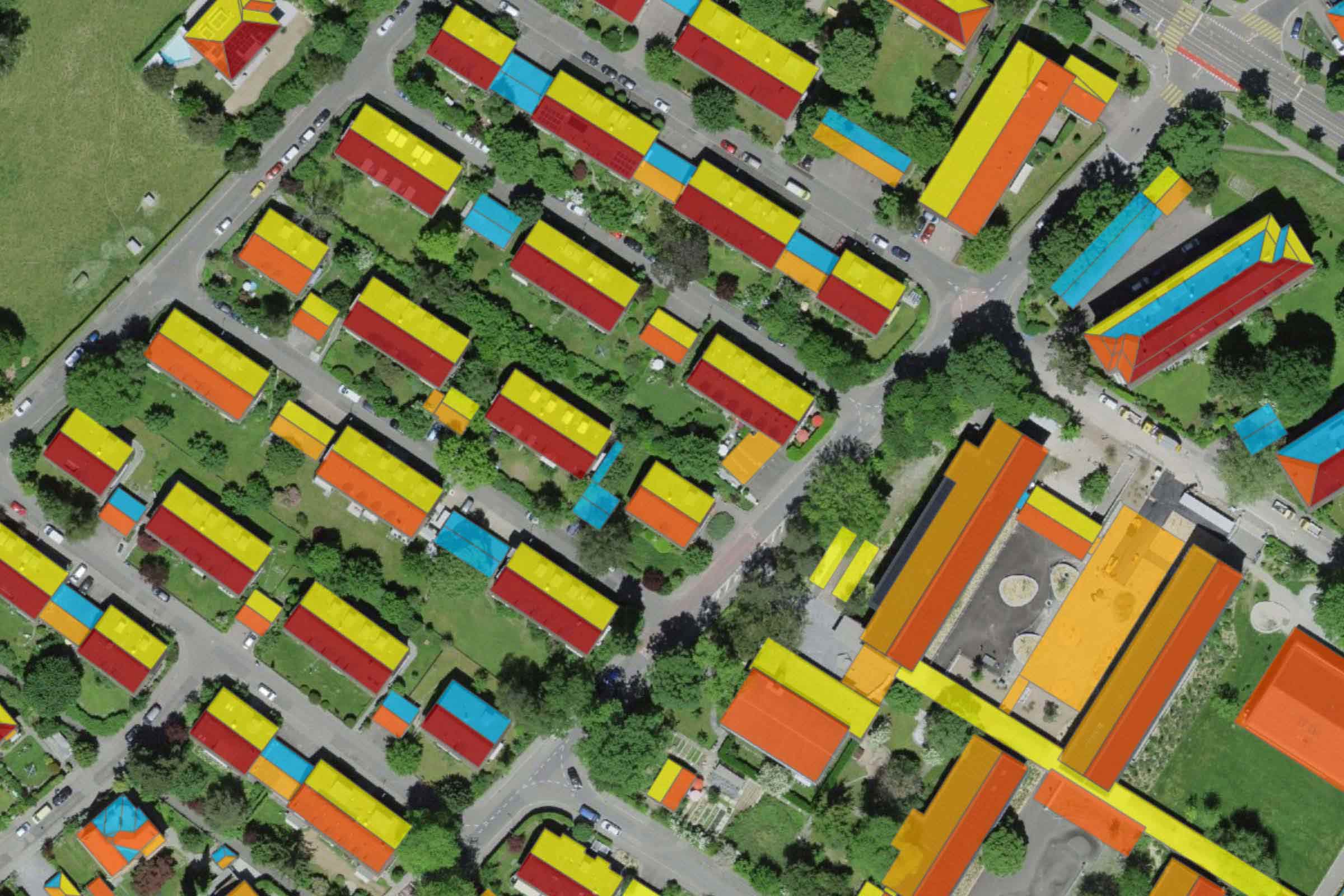
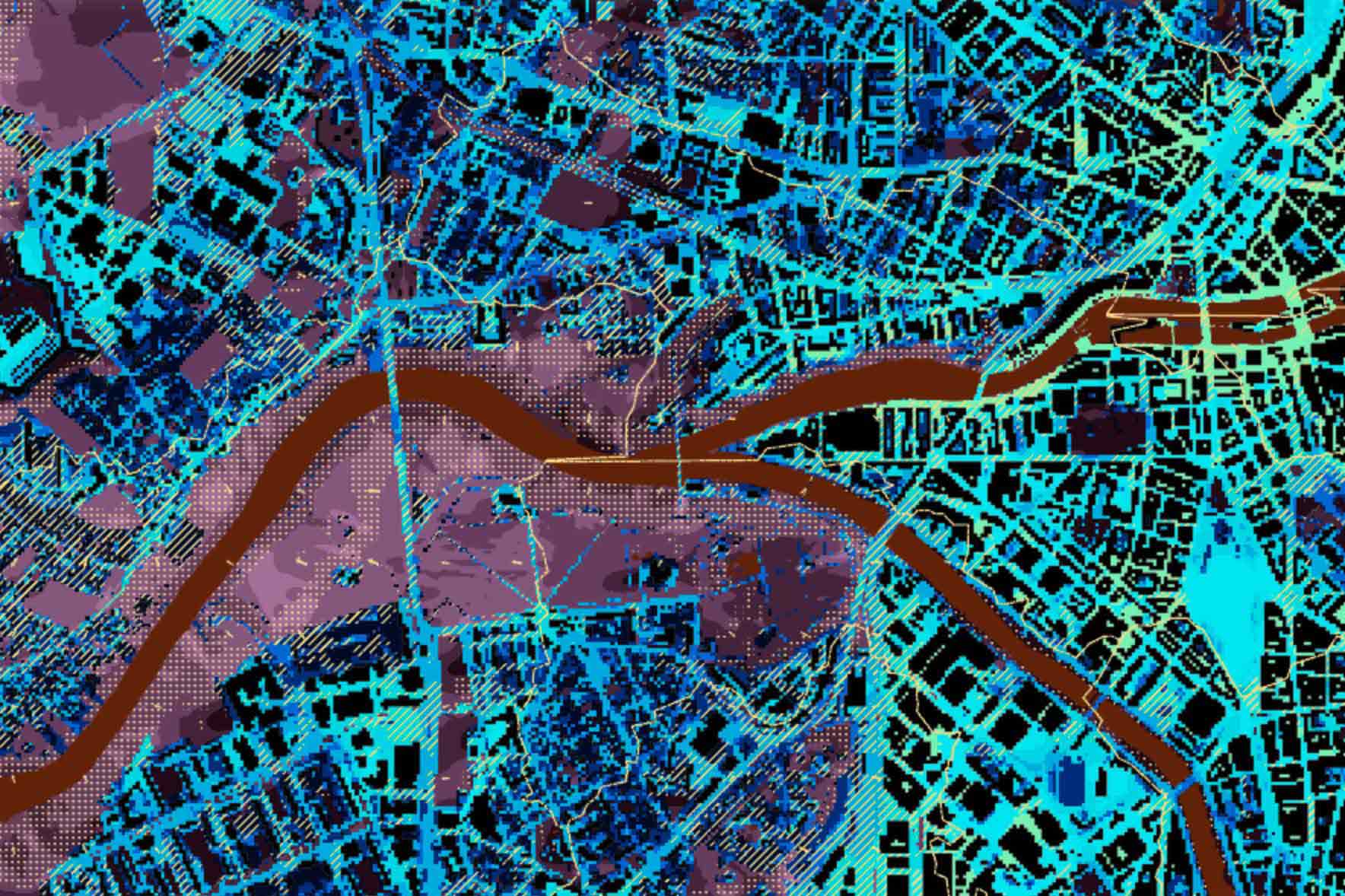
      Looking beyond a single rooftop opens up exciting possibilities. When we zoom out to the neighborhood level using the GIS Energy Browser for Canton Bern, it becomes clear that many buildings in Zweisimmen have unused solar potential, just like the Solares Direktgewinnhaus.

      This leads to some interesting questions. What if one building produces more solar energy than it needs? Could that extra power be shared with neighbors or used to charge electric vehicles? What if entire groups of buildings worked together, connecting their energy systems to store and share electricity

      These kinds of ideas shift our thinking from individual buildings to community-wide solutions. Tools like the GIS Browser help make this future easier to imagine by showing where solar energy could be used across a whole area. It encourages architects, planners, and residents to work together toward smarter and more sustainable neighborhoods.

    • Zoom out from the plot to see the solar potential of the region. Source: Geo Admin

    • Conclusion: From sunlight to strategy

      The Solares Direktgewinnhaus teaches us that solar design is much more than placing panels on a roof. It is a thoughtful dialogue between climate, architectural form, technology, and digital tools. Exploring tools such as Sonnendach, Solarrechner, Solarchitecture, and PVGIS shows how data can be transformed into insight, guiding smarter, more beautiful, and more sustainable buildings.

      Most importantly, this story reminds us that solar design begins with the building itself, not just the technology it hosts. It encourages us to create architecture that embraces its environment and turns sunlight into comfort, energy, and meaning.

    •  

      Do you have questions or comments?

      Forum

      If you have any questions about solar potential, the Solares Direktgewinnhaus, or if you’d like to share your experiences, ideas, or reflections on how these stories relate to a real-world project or tool you’ve used, feel free to join the discussion in the forum.

This is a non-production site